


Institute of Facial and Oral Surgery
Oral Cancer Self-Screening: Why Everybody’s Doing It (Or Should Be)
Oral cancer has a bad reputation for being more deadly than some other forms of cancer that you hear of more commonly. We are here to tell you that it doesn’t have to be that way. Oral cancer goes unnoticed, not because it is difficult to see or feel, but because the idea of regular oral cancer screenings (either at home or in our office) is rather new. It simply has not been on the public health radar until now.
 That is why we want to get the word out, and we need your help! Examining the neck, throat and oral cavity is a relatively simple task when compared to other parts of the body such as internal organs. Early diagnosis leads to better prognosis!
We recommend that once a month, you give yourself the following exam. It should only take 2-3 minutes and could save your life, or the life of a loved one!
First, a word about the ever-changing mouth: We know that many patients avoid self-exams because the mouth is one area of the body that has constant change going on. For example, you may have a recent burn, bite or cold sore and probably don’t want to bother us every time you notice these things! That is why we offer this rule of thumb: any suspicious area that is not better after 14 days should be brought to our attention.
How to perform an Oral Cancer Self Exam:
- Use a mirror and a bright light.
- Remove dentures.
- Look and feel lips and front of gums. Grasp lips with your thumb and forefinger and feel for lumps.
- Tilt your head back and inspect the roof of your mouth
- Pull your cheek out to see the inside surface and gums in the rear.
- Pull out your tongue and look at all surfaces.
- Feel your neck and under the lower jaw for enlarged lymph nodes, swelling or lumps.
What are you looking for?
- White patches
- Red Patches
- Combination of red and white patches
- Sores
- Abnormal lumps or thickening
- Chronic sore throat/hoarseness
- Difficulty chewing/swallowing
- Masses or lumps in the neck
Tips for Reducing Scarring After Facial Surgery
Facial lacerations can be a scary situation for anyone. That is why it’s best to visit experts, like us, who have experience in treating and repairing facial injuries and trauma. However, we know that your recovery doesn’t end the moment you leave our doors. We want you to have the best outcome following surgery, which is why we’re writing this to answer some of your most common questions and to give you our best tips for treating your wound as it heals.
- Know the general timetable of healing. Within 2 days the cut should seal, and by 5 to 10 days it should be strong. In the first 3 months you may notice the skin around the scar may thicken and have a red or purple tint. By
 4 to 6 months this process should reverse and the scar will flatten and the discoloration will fade. Usually by 6 months the scar will be completely healed, but there can be continued improvement for up to a year.
 - There are many factors that impact your healing. How deep your cut is, its location, your age, and the way your skin heals all determine how visible a final scar will be. Younger skin actually produces thicker scarring.
- Apply ointment frequently to keep the wound moist. This can increase the speed of healing considerably and reduce scabbing, which actually increases the build up of scar tissue.
- Apply antibiotic ointment to prevent infection. An infected wound will make a bigger scar. Be sure to continue to apply antibiotic ointment or cream as directed by our team to keep the wound moist and fight off any infection.
- Make sure you know the signs of infection. Antibiotics will often be prescribed to prevent infection, especially if the wound is a result of injury. Contact us immediately if you see any signs of an infection including:
- A large amount of pus coming from the wound
- Increased redness or swelling
- Fever
- Massage the wound gently to increase blood flow. Sutures are usually removed between 5 and 8 days. Massage the wound after sutures have been removed using a moisturizing lotion with Vitamin E or Aloe. Gently massage the skin around the wound twice daily for the first two weeks, and then once a day for a month. This will increase the blood flow in the area and prevent scar tissue build up.
- Be gentle and avoid scrubbing your wound. It is usually okay to allow clean shower water to wash over the wound as long as you don’t scrub it. If crusts of blood accumulate, lightly dabbing with clean gauze moistened with hydrogen peroxide is best.
- Avoid sun exposure. It is extremely important that you do your best to avoid sun exposure. The scar may tan a much darker color than the skin around it, and this may become permanent. Cover the area as much as possible or use sun block of SPF 50 or greater.
Whether you have had elective surgery or surgery to repair a facial injury we hope that these tips help answer your questions. If you or your loved one ever requires a trip to the emergency room involving a facial injury or laceration, be sure to seek our consultation as soon as possible and please contact us with any additional questions that you may have.
Summer Sun Tips
Did you know that sun damage is one of the biggest causes of wrinkles? So while we look forward to summer months, our skin doesn’t. Extra sunshine and hot weather wreak havoc on our skin, so how can you protect it while you enjoy your summer?

Wear Sunscreen
You should be wearing sunscreen every day, rain or shine! Be sure to invest in a UVB/UVA sunscreen and don’t get anything less than SPF 15. Apply it after your morning moisturizer, and don’t skimp—you should apply at least a nickel size amount to your face. When you’re in and out of the water, or heavily perspiring, make sure you reapply often, at least every two hours.
Treat Your Burns
If you’ve found yourself with a sunburn, the damage has been done, but you don’t have to suffer in pain. Take a dose of ibuprofen as soon as you see signs of a burn, it will cut back on swelling and reddening that could cause extra damage.
Hydrate and Nourish Your Skin
If you’re soothing a sunburn, reach for something with Aloe Vera, and vitamin C and E. However, moisturizing is important even if you aren’t burned, any sun exposure can dry out your skin, which actually boosts oil production.
Cool Down with Skin-Boosting Water
We all know it’s important to stay hydrated, but proper hydration is also key for healthy skin. Have a hard time drinking all the water you’re supposed to every day? Add some freshly cut fruit or mint for a yummy infusion! Keep a pitcher of your favorite infusion in the refrigerator for a cooling beverage whenever you need it. Stay away from excess alcohol which can dry out your skin, and when you do indulge, make sure you’re drinking a glass of water for each alcoholic beverage.
Enjoy Fresh Summer Foods
Fresh, healthy food can make you feel and look good from the inside out! Summer fruits like strawberries are packed with vitamin C (a powerful antioxidant); tomatoes are rich in lycopene (protects skin from environmental agents) and beta-carotene (reduces damage caused by UV rays); and spinach is packed with tons of nutrients that can actually protect your skin from UV rays, destroy free radicals, improve your complexion and repair damaged skin. Want a powerhouse meal? Put them all in a big yummy salad!
Even the most careful person can have a hard time staying away from wrinkles caused by sun damage. If you find yourself wishing you could go back in time to put on more sunscreen, give us a call and ask us about options to look younger by fall!
Osseointegration: Big Word, Simple Concept!
Was this word the invention of an evil doctor who loves long and complicated words? No! Osseointegration actually derives from the Greek osteon, bone and the Latin integrare, to make whole. It’s a physical process that was first observed by Swedish researchers in the 1960’s and refers to the functional connection between a titanium implant and living bone. Simply put, without osseointegration, dental implants wouldn’t work!
 Osseointegration is a natural process: When the titanium dental implant connects to bone cells, it is locked into the jawbone, forming a solid bond. While the process is natural, the implementation isn’t simple. Implant healing times and initial stability depend on implant characteristics and to a large extent on your doctor! We have ample experience in placing dental implants and therefore can ensure that you receive the best care and outcome when it comes to implant surgery and the healing process.
The first evidence of the bone bonding with the implant occurs after a few weeks, while a more robust connection progresses over the next months or years. The osseointegration process will make the implant resistant to external shocks over time, but it can still be damaged from trauma or poor care.
The benefits of dental implants can’t be overstated! Not only do they give you a fully functioning bite back, they also prevent your jawbone from deteriorating and protect your facial profile.
Give us a call if you have questions about the dental implant process!
Innocent Habits That Cause Wrinkles
We all know that smoking, sun exposure and aging can cause wrinkles, but did you know that using a straw every day can also? Here, we bring you some seemingly innocent habits that may contribute to wrinkles down the road. While you may not want to give up these activities entirely, it is good food for thought if you are interested in minimizing wrinkles later on in life!
 Here are some seemingly harmless ways that wrinkles sneak their way into your life:
- Stressing out: Expressions are wonderful. But using the same ones over time will cause wrinkles. While that may be fine when talking about smile lines; you may want to let go of things in your life that cause you to frown or furrow your brows.
- Stretching your skin while applying makeup: Resist the urge to tug on your skin during your morning routine. Instead, use products that glide easily.
- Sipping thru a straw: Any repetitive movement can cause wrinkles. If you have a daily straw sipping habit, over time you may start to notice fine lines and wrinkles around the lips.
- Squinting: Wearing sunglasses protects the delicate skin around your eyes from the sun, and it also keeps you from squinting, which is the main cause of crow’s feet!
- Excessive face scrubbing: Be gentle with your face. Chemicals plus rough scrubbing is a recipe for lines and wrinkles later in life.
- Side or belly sleeping: If your face is in contact with your pillow throughout the night, your skin is being pulled and stretched while you sleep, resulting in wrinkles. Sleep on your back instead.
And for the wrinkles that you have already collected, we offer a variety of procedures to help you turn back the hands of time! Give us a call to find out more!
Dental Implants: Learning the Basics
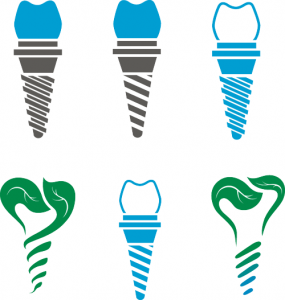 Did you know that over 69% of adults in America are missing at least one tooth? Whether it is from an accident, neglect, or even being born without certain teeth, not everyone is supporting a full set of teeth. There are many solutions to replacing missing teeth, each with its own benefits. With the influx of technology and precision of modern dentistry, dental implants are becoming more affordable, and are the premier long-term solution for missing teeth. Dental bridges tend to be a cheaper alternative to dental implants, but over time a single dental implant is generally more cost-effective. Dental implants can last decades or even a lifetime, which allows a patient to treat the implant as they would their real teeth, and continue on with life without having to worry about them. Whether you’re in the market for one tooth, or multiple teeth, dental implants not only can lower your overall healthcare costs, but also increase your quality of life!
How the implant works:
In place of the original root where the tooth was, a dental implant is connected to the existing bone, as a base, and can then stably hold the new (fake) tooth in place.
Am I a candidate for dental implants?
The quick answer is: “most likely yes.” Restrictions such as age do not apply to the possibility of receiving dental implants. There are very few restrictions that would prevent a patient from receiving dental implants and they include: Those who do not have enough existing bone in the jaw, and those who have had radiation to the jaw (from cancer or similar treatments), which could prevent fusion of implant to the bone. Recent studies have even shown that even patients with diabetes have little to no restrictions in the ability to receive dental implants.
If you are interested in dental implants, give us a call today and see how we can help you!
Forever Young: BOTOX® in the Business World
You may have heard, BOTOX® is not just for women. Men have also discovered the wonders of this industry-changing cosmetic injectable, and what it can do for a person’s confidence! That’s why we are seeing more and more professional men in our office now than ever. In fact, over the past 15 years, BOTOX® use among men has increased by over 200%. These numbers aren’t surprising. What is interesting to note, however, is that the average man is using BOTOX® a bit differently than the average woman.
 Here are some of the ways that men are using BOTOX® to enhance their personal and professional lives.
First of all, most of the men that we see actually prefer to leave some of the wrinkles as is. In fact, most men are leaving all wrinkles there at least partially. The trend is to look distinguished and experienced, which wrinkles can help with, just not too old.
Another difference between men and women seems to be that men are less likely to share their use of BOTOX® with other men. Whether it is because they are doing it more for professional reasons or not isn’t clear, but what we do know is that plenty of men are coming to us for this treatment nowadays.
So, if you are a man with wrinkles that you would like diminished, you may think you are alone, but you certainly are not! Give us a call to find out what we can do for you!
Are Dental Implants Worth It?
What’s involved in a dental implant? Do they hurt? Can anyone get them? There are a lot of questions surrounding dental implants but one thing is certain; they’ve been reconstructing smiles for over 35 years with amazing results. But what’s the fuss surrounding dental implants and are they really worth it? Lets answer some question to help you decide for yourself.
 Can anyone get a dental implant? Anyone who is healthy enough to get a dental implant can get one as long as they have enough bone to hold the implant. This is where bone grafting comes in for those who have been told their jawbone won’t hold an implant. Keeping up with regular oral hygiene is also an important factor and heavy smokers may be told it’s not a safe option.
What exactly is a dental implant? A dental implant replaces your tooth root with a metal rod. It provides a solid structure on which to place a new tooth that is made to match your real teeth. Dental implants not only improve the overall look of your smile but they’re durable, convenient, and easy to take care of.
What are the steps to getting a dental implant? As your doctor, we will want to develop an individualized treatment plan that focuses on your specific needs. Once we have agreed on a treatment plan, the next step will be the placement of the implant in your jaw. The implant is made of titanium and once placed the jawbone will actually begin to grow around it. In about six to twelve weeks the implant will have completely bonded to your jaw and it will be time to attach a small post that connects your new tooth to the implant. We create a mold of your bite that allows us to create your new tooth. This replacement tooth is then attached to the post and the implant process is complete!
Lastly, how painful are dental implants and are they difficult to take care of? Most patients have said they experienced very little discomfort when receiving their implant. Many have even said the process is much less painful than a tooth extraction. Mild pain that may occur for a few days after you receive your implant can be treated with over-the-counter pain medication. Dental implants require the same care as your real teeth but generally they are much easier to clean and you don’t have to worry about cavities.
We hope this answers some of the questions surrounding dental implants. If you’re missing a tooth or teeth, give us a call to ask more about the procedure. We’ve seen many patients leave happy and comfortable with their improved smile!
Facial Injuries: What Do I Do?
It’s important to know what to do when you or someone close to you has been injured, especially when it comes to facial injuries. The inside of your mouth is made up of delicate soft tissues that when cut can become infected and easily damaged if the wound isn’t taken care of quickly. Anyone who has had a facial laceration knows that there is a high degree of emotional and physical pain involved when it comes to a facial laceration. So what should you do?
 A laceration is a tear or jagged wound and is usually caused by blunt trauma. If you’ve been in an accident and there is any kind of trauma to your face, it is important to seek emergency assistance right away. Lip lacerations are one of the most common types of facial injuries and require careful repair. Lacerations are closed using silk or gut sutures and are done carefully in order to prevent any cosmetic damage. If a tooth is knocked out you should place it in salt water or milk as soon as possible. The sooner the tooth is placed back into the dental socket, the better chance it has of surviving. Do not clean or wipe off the tooth since there are crucial parts of the tooth that could become damaged.
Replanting teeth and treating tooth fractures can be handled by an oral surgeon along with facial trauma but if you have been involved in a serious accident you should go to the closest hospital emergency room as soon as possible. Facial bone fractures cannot be treated with a cast like other parts of the body. The surgical placement of plates around the affected area is a recent development in medicine that allows for a faster recovery time and involves the fewest incisions necessary.
Any kind of traumatic injury to your face is serious and should be addressed immediately to prevent further damage and scaring. If you’ve had a recent injury and think you may have a facial bone fracture, call us immediately to schedule a consultation.
HPV and Oral Cancer: The Connection
With cases of oral cancer, specifically oropharyngeal cancer (the back of the throat), on the rise among those under 40 years of age, we as oral health professionals are trying to get the word out about the various causes of oral cancer and the importance of early detection.
 Oral cancer has historically been attributed at the highest rates to smokers. However, with smoking on the decrease, HPV is expected to take over the role as the biggest contributor to certain types of oral cancer (oropharyngeal) in the coming years.
Here are some answers to commonly asked questions about HPV and oral cancer:
- What is HPV? HPV (Human Papilloma Virus) is a very common sexually transmitted infection. Typically HPV goes away on its own without causing any health problems. In fact, most people don’t ever know that they have it, which is also one of the reasons that it spreads so easily. Even if you are not symptomatic, you can still spread HPV.
- How does HPV cause oral cancer? Occasionally, HPV does NOT go away on its own and causes problems down the road. There are specific types of cancer that HPV can lead to. For example, cervical cancer is almost always caused by HPV. Oropharyngeal cancer (the back of the throat, not the main oral cavity) is another type of cancer that can be caused by HPV.
- Why is oral cancer on the rise among younger people? Studies show that most cases of oral cancer among young people are caused by HPV. Therefore, as the incidence of the virus grows, so does the incidence of oral cancer.
- What can I do to protect myself? All girls and boys ages 11-12 years old should be vaccinated against HPV. The vaccine is also approved for other specific groups (check CDC.gov for more information). Those who are outside of the vaccination age group should practice safe sex.
- What about early detection do I need to know? As with many cancers, early detection is the key to a good prognosis. Self-examinations by you and regular examinations by us are the most important things you can do to protect yourself.
Please note that this information is intended to inform, not scare. Although oropharyngeal cancers are increasing in incidence, they are still a very small risk in our world. Be informed and be proactive!