


Institute of Facial and Oral Surgery
10 Winter Skin Tips that Last a Lifetime
 Let’s face it: dull, dry winter skin makes you look older. Just think back to summer when your skin was tan (fake, hopefully), taut, and glowing. Even in milder climates, winter skin is simply not the same as its moist, vibrant summer counterpart!
If you wake up in the winter feeling parched, you are not imagining it. Winter air is cooler, and cannot hold as much water as warm summer air. That combined with the use of a furnace create dry conditions that are not only uncomfortable for skin, but that also contribute to fine lines and a dull, scaly look.
All of these tips give skin instant relief and, at the same time, provide for healthier, younger looking skin down the road. Many of the signs of aging are due to a lack of care early on in life. Take care of your skin, and it will take care of you.
- Humidifiers: Increase the humidity in your room while you sleep with a warm or cool mist humidifier. Just be sure to follow the instructions for cleaning and sanitizing your humidifier exactly to avoid mold and bacteria problems.
- Hydrating Scrubs: A mixture of honey and sugar makes an easy DIY body scrub that is designed to hydrate, reduce inflammation and increase circulation.
- Lactic Acid Products: A powerful exfoliant, great for scaly winter skin and an excellent moisturizer at the same time, look for lactic acid washes, lotions and bath additives to bring back your glow.
- Oil and Lotion: Use an oil cleanser all over your body in the shower, and then slather on moisturizer after rinsing and gently towel drying. The lotion will help keep the oil residue close to your skin.
- Shower Quickly: One of the worst things you can do for dry skin is to take a long, hot shower. This habit strips your skin of much needed moisture.
- Be Gentle: Use fine particle exfoliators and sensitive skin formulas in the winter.
- Sleep in Moisture: Slather lotion on very thickly (so that it is still visible) and then sleep in gloves and socks.
- Overnight Masks: There are a variety of overnight masks that can help with increasing moisture in the skin while you sleep!
- Body Care: It’s not just your face that is suffering from dry air, your neck, the backs of your hands and even your knees and elbows are common sites of obvious aging, so take extra care with them too.
- Sunblock: Yes, you must wear sunblock year-round, including during winter months.
If you are looking to take the next step toward a younger look, ask us about our cosmetic services!
6 Reasons to Consider Dental Implants
 Loss of permanent teeth is more common than you’d think. The average adult age 20-34 is missing 1 permanent tooth, the average adult age 35-49 is missing 3 permanent teeth, and the average adult over the age of 50 is missing 6 permanent teeth! There are a variety of different tooth replacement options, but we believe that dental implants offer the most success, with the best aesthetics and functionality. Take a look at just a few of the many benefits of dental implants!
- Long-lasting. Dental implants are designed to be the permanent solution for missing teeth. Dental bridges last 5-10 years and crowns last 10-15 years, but dental implants can last 20 years, even a lifetime with proper dental care, making them a cost-efficient alternative to other modes of tooth replacement.
- No cavities. Because they are made of titanium, dental implants are not subject to decay. They also don’t put stress on other teeth, which helps avoid tooth erosion.
- Like natural teeth. Dental implants are natural-looking and fully functional. Unlike dentures, which are bulky and removable, cause sores and require the application of adhesive, dental implants are comfortable, permanent fixtures that don’t interfere with eating or speaking. And, because pressure is applied to the jaw bone when you bite down on dental implants, chewing with dental implants doesn’t feel any different from chewing with your natural teeth.
- Preserve jaw bone. Without a tooth to support, the jaw bone begins to atrophy, and this bone degradation makes the replacement of missing teeth nearly impossible without the help of jaw regenerative procedures such as bone grafting.
- Appearance. Your teeth play an important role in supporting your facial structure. Missing teeth can cause your features to sag and your face to lose shape, which tends to have an aging effect. Replacing missing teeth works wonders for improving your appearance and helping you look younger.
- Tooth stability. When you’re missing a tooth, your surrounding teeth are no longer stabilized and they start to shift out of position. Dental implants secure teeth in place and, as a result, prevent severe problems such as periodontal disease and further tooth loss.
Schedule a consultation with us if you’re ready to transform your smile!
Understanding Bone Grafting
 Tooth loss as a result of periodontal (gum) disease, facial trauma or tooth extractions can cause the jaw bone to atrophy, as it no longer has something to support. As if bone deterioration isn’t bad enough, tooth replacement requires a solid foundation, meaning that patients with jawbone degeneration aren’t candidates for dental implants. Fortunately, our state-of-the-art restorative techniques allow us to augment areas with inadequate bone structure so we can restore your smile! We have the answers to all your bone grafting questions below, so keep reading!
What is bone grafting?
During a bone grafting procedure, the jawbone is restored so it can support a dental implant. An incision is made in the gum and the bone graft material is transplanted into the jawbone. There are four types of bone grafts:
- Autogenous: bone grafts are harvested from other parts of your body, such as the chin or hip. They are the most effective because using your own living cells promotes natural bone growth.
- Allogenic: bone grafts are donor grafts collected from tissue banks.
- Xenogenic: bone grafts are harvested from other species, typically bovine donors.
- Synthetic: bone grafts are artificial bone material composed of calcium phosphates
When is bone grafting necessary?
Bone grafting procedures are routinely performed in preparation for dental implants. This is due to the fact that the implants are unable to anchor themselves into a stable foundation unless the jawbone is adequate.
How long after bone grafting can I get dental implants?
Minor bone grafting can be done the same day as dental implants, but major bone grafting requires downtime between procedures. Dental implants will be placed 4-9 months after your bone grafting procedure once the major bone grafts have had time to fuse with your natural jawbone. We will decide the best time to place your dental implants based on your recovery.
Give us a call if you think bone grafting can get you on track to replace missing teeth for natural, lasting, functional results!
Wisdom Teeth FAQs
Our patients often wonder why we recommend wisdom tooth extractions, or what the purpose of wisdom teeth even is. We are eager to help you better understand the benefits of removal and the extraction process! Read on for the answers to some frequently asked questions about those tricky third molars.
Why do we have wisdom teeth?
Human ancestors used their wisdom teeth to grind up food that was hard to digest. They had large jaws and powerful teeth with plenty of room for a third set of molars.
Modern humans, however, eat cooked foods and have a more effective digestive system, so we have evolved smaller jaws and teeth. This means less room in our mouths for wisdom teeth.
Why do I need to have my wisdom teeth removed?
There are several reasons why you may benefit from having your wisdom teeth extracted, as wisdom teeth can cause a variety of short-term and long-term complications.
- Impaction: If there is not enough room for your wisdom teeth to erupt, they can become impacted, causing them to grow in at an angle. You may experience pain or discomfort while eating due to impaction.
- Damage to other teeth: Impacted wisdom teeth can push against your second molars, potentially damaging them and making them more susceptible to tooth decay.
- Disease: Narrowed spaces between molars due to impaction also allows for bacteria to form more easily, putting you at risk of inflammation, cysts, and periodontal (gum) disease.
When should I get my wisdom teeth out?
Wisdom teeth usually erupt between the ages of 17 and 25, which means that many people get their wisdom teeth extracted before they graduate high school. The longer you wait, the more complications may arise. The roots of your wisdom teeth continue growing as you get older and may eventually come in contact with a nerve. At this point, nerve damage is a possible outcome of wisdom tooth extraction.
When are wisdom teeth okay to keep?
Sometimes, wisdom teeth have room to erupt healthily and do not need to be extracted. If this is the case, your dentist may recommend you keep your third molars.
Make sure you are coming in for regular check ups so our team can keep an eye on your wisdom teeth. Consult with our practice about the right course of action for your wisdom teeth, because everyone’s teeth are different.
BOTOX®: The Lunch Hour Wrinkle Remedy
Have you ever heard of “Lunch Hour Plastic Surgery”? The term is fun, but a bit misleading, as most cosmetic surgery procedures (and surgery in general, for that matter), obviously require more than just an hour to recover.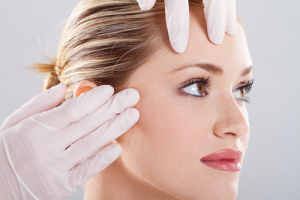
However, there is a cosmetic procedure that can be done on a patient’s lunch hour. BOTOX® is a great lunch time “fix” for fine lines and wrinkles on the face! You may be surprised to know that many of our pat
ients come to us during their lunch break for BOTOX® injections. Because the procedure typically takes less than five minutes, we can usually have you in and out and back to your office in about an hour.
BOTOX® works by relaxing the muscles that cause the wrinkles. The results are temporary, so most patients come back to us every three months or so for retreatment.
Here are some things to know about BOTOX®:
Location: BOTOX® injections are most effective on fine lines and wrinkles of the forehead and around the eyes such as worry lines between the eyes, crow’s feet and horizontal lines on the forehead.
Results: Results take about 5 days to fully develop and last about 3-4 months.
Pain Rating: There is very little discomfort associated with BOTOX® injections.
Benefits: BOTOX® is a temporary fix for wrinkles, but it also helps to prevent new wrinkles from forming.
So if you have an hour and would like to take care of those fine lines that are bothering you, give us a call! We’ll set you up with a lunch hour BOTOX® appointment!
Preventing Oral Cancer
While we cannot all necessarily prevent cancer from happening, with most cancers, including oral, head and neck cancers, there are things that you can do (or not do!) to reduce your risk.
- Quit Smoking: After five years of quitting smoking, your risk of oral cancer is cut down to just half of that of a smoker.
- Limit Alcohol: Excessive alcohol use is the second largest risk factor for oral cancer. Limit drinks to one per day for women and two per day for men.
- HPV Vaccine: HPV is the leading cause of oropharyngeal cancer (the back of the mouth and throat). HPV is also responsible for a small number of oral cavity cancers (the mouth).
- Self-Exams: Be an advocate for your own health by regularly examining your mouth with a mirror and flashlight. Don’t forget to look under the tongue! Watch for unusual bumps, patches, different coloring, and report any to us that don’t heal within 14 days. Feel your lips, cheeks, throat and neck for unusual bumps and masses. There are a number of online guides for performing a thorough at home oral cancer self-exam.
- Have Regular Checkups: Oral health professionals such as dentists and oral surgeons are the second line of defense (after you) in terms of screening for oral cancers. Be sure to ask us any questions that come up during your exam.
- Eat Well: A healthy diet includes plentiful vegetables and fruits, is low in sugar and saturated fats, and includes lean sources of protein and whole grains. Incorporate new foods into your diet slowly for long lasting results.
- Exercise: Aim for 30 minutes of moderate exercise a day or more!
- Get Adequate Sleep and Minimize Stress: A lack of sleep and stress both contribute to inflammation which has long been recognized as a player in the cancer game
Dental Implants: What’s All the Hype?
 These days, we all know someone who has a dental implant, and you have probably heard us champion these teeth substitutes, as they become more and more the common cure for missing teeth!
But why?
We think that’s a valid question and it deserves a good answer!
Bone Loss
Any oral health professional will tell you that living with a missing tooth can have negative consequences that go well below the gum line. The problem doesn’t stop at the single tooth that goes missing. The jawbone also suffers. When there is not a tooth set in the jawbone offering regular stimulation, you lose bone mass in that area. That loss of jawbone contributes to a decline in facial aesthetics as the jaw shrinks away. The loss of jawbone also means that when you do have an implant later in life, you will likely require extensive bone grafting prior to the implant procedure. Traditional tooth “replacement” methods such as dentures and bridges do not solve the problem of bone loss.
In contrast, dental implants eliminate these problems and encourage a healthy, strong and adequate jaw by integrating with it (also known as: osseointegration). The implant then provides regular stimulation (as you chew food), and keeps the jawbone in proper health.
Lifestyle and Diet
Most people with dentures report that in addition to living in fear of their dentures falling out in social settings, they also must live with a restricted diet, unable to enjoy the foods that they previously ate. This same restricted diet goes for those with wobbly bridges and crowns as well. More often than not, those restricted foods are some of the healthiest ones, such as crunchy, fibrous fruits and vegetables.
Dental implants look and feel nearly identical to your regular teeth, and are second only to your natural teeth when it comes to form and function. Dental implants allow you to eat and live freely with a healthy diet and without fear. In addition to that, dental implants have a 98% success rate and can often last you for a lifetime!
How Your Cell Phone is Causing Wrinkles (and Other Common Habits)
 Even the most common activities can greatly impact your appearance as you get older, aging you far beyond your years if you are not careful. Our team are experts at addressing your aging concerns and helping you achieve a youthful, radiant appearance. We’ve made a list of lesser-known habits that cause wrinkles, so keep reading for some tips to maintaining healthy, glowing skin!
- Skipping sunglasses: Most people only wear sunglasses when it’s sunny outside, but sunglasses are essential for protecting your skin even on cloudy days. Squinting due to sun exposure causes “crow’s feet,” or wrinkles around the eyes. It is easy to prevent these wrinkles by always remembering to wear sunglasses, even in the car or when it’s overcast.
- Applying makeup: Makeup application, when performed incorrectly, can be incredibly damaging to the skin. Tugging at the skin when applying or removing makeup can decrease elasticity and cause the skin to sag. Makeup should be gently dabbed onto the skin using a beauty sponge or massaged into the skin with clean fingers using upward motions.
- Chewing gum: This seemingly harmless habit can potentially lead to wrinkles and fine lines around the mouth. When you chew gum, you are distorting your lip muscles in a variety of ways that can cause permanent creases.
- Staring at your phone screen: With smartphones captivating everyone’s attention, more and more people are suffering from neck and vision problems due to constant craning or squinting to view their phone screens. What you may not know is that looking down at your phone screen for extended periods of time can also cause premature neck wrinkles. Try to maintain good posture while checking your phone.
- Your sleeping position: Believe it or not, sleeping on your side or stomach can actually cause wrinkles. The pressure of your face on the pillow damages your collagen fibers and causes creases that later form permanent wrinkles. Sleeping on your back is the best way to avoid this, and placing a pillow between your knees while you sleep can prevent you from rolling over onto your side or stomach.
We know you can’t possibly avoid every wrinkle-causing habit. That’s why we offer a variety of services to meet your beauty needs and leave you looking younger and more beautiful. Treat yourself with a visit to our office to achieve the radiant skin you deserve!
Is BOTOX® Right For You?
BOTOX® can be a safe and effective procedure for eliminating the fine lines and wrinkles that occur as we age. When completed by an experienced doctor, it can make you look and feel years younger without the risks of surgery. Improving your look can give you confidence at work and in your personal life. Here are some things to know to help you decide if BOTOX® is right for you.

How Does BOTOX® Work?
BOTOX® has successfully been used to reduce wrinkles and facial creases for many years. BOTOX® is used to smooth out skin by temporarily restricting movement of the muscles that cause wrinkles. BOTOX® blocks the signal from the nerve to the muscle so that the injected muscle cannot contract, causing wrinkles to relax and soften. New research suggests that BOTOX® may do more than just stop the muscle contractions. It also seems to stimulate the production of elastin and collagen, proteins that make skin firm and flexible, aiding in the skins ability to stretch and recoil for a more youthful appearance.
How Can BOTOX® Improve My Look?
BOTOX® is most frequently used on frown lines between the eyebrows, lines around the eyes (crows feet), and forehead furrows (horizontal lines that increase when you raise your eyebrows). It can also be used for lip lines and for the chin and corner of the mouth and neck. Skin damage caused by sun exposure does not respond to BOTOX® treatment.
How is BOTOX® Given and How Long Will It Last?
BOTOX® is injected with a fine needle into specific muscles. The procedure takes just a few minutes. It causes only minor discomfort and generally takes three to seven days to take full effect. BOTOX® treatment improvements generally last four to six months. Gradually, muscle action returns and lines and wrinkles will eventually reappear. It is safe to reuse BOTOX® and in fact, lines and wrinkles often appear less severe as the muscles are being trained to relax.
What Are The Side Effects?
Temporary bruising is the most common side effect. You should stop taking aspirin and anti-inflammatory medications two weeks before treatment to reduce bruising and avoid alcohol for one week before the procedure. Headaches are a rare side effect, and usually end within 24 to 48 hours. A small percentage of people will experience eye drooping for up to three weeks. This occurs when the BOTOX® moves around, so avoid rubbing the treated area for 12 hours after the injection. Women who are pregnant or breast-feeding or those with a neurological disorder should not use BOTOX®.
Because of its cosmetic benefit and easy administration, BOTOX® use is on the rise and has become a popular choice for many people. We have the experience to enhance your look and help determine if this procedure is right for you.
Common Causes of Facial Trauma
Injuries to the face and mouth are emotionally upsetting as well as physically damaging. It’s extremely important to have medical and dental care by experts who know how to address the psychological, medical, and aesthetic elements of recovery. This blog will cover the most common causes of facial trauma and the types of injures that may occur. As with most injuries, prevention is the best medicine, so we will cover tips in avoiding facial trauma all together!
 Most Common Causes of Facial Trauma: There are many ways in which the face can be damaged. Accidents, falls, automobile crashes, work related injuries, and interpersonal violence are among the most common causes for adults. For children, sports related injuries are the leading cause. Children who participate in contact sports, cheerleading, and gymnastics are especially at risk, especially for dental trauma. Dental trauma accounts for 17% of injuries to the body for children, according to the American Dental Association, compared to 5% across all ages. It is most frequently observed in males compared to females, and usually involves the front teeth.
Types of Injuries: Every year about 3 million people are treated for facial trauma according to the American Association of Oral and Maxillofacial Surgeons. Soft tissue trauma includes any cuts to the face or gums. Avulsed, or knocked out teeth are another type of injury, and must be dealt with immediately to increase the chances for reimplantation. Bone injuries, such as fractured jaws, cheekbones, and noses can also occur as well as damage to the nerves in the eyes, face and salivary glands. It is extremely important to have facial trauma assessed and treated by an expert in facial trauma. Besides the aesthetic reasons, serious health complications can occur, even from a small amount of damage. Depending on the location of the injury, speech, swallowing, and breathing can be affected. For dental injury, teeth that are loose in their sockets can make eating difficult and cause speech impediments. Chipped, broken, or misaligned teeth can cause TMJ and other functional problems, in addition to the loss of confidence in your appearance.
What You Can Do to Prevent Injuries: Using a mouthguard during sports or other high-risk activities is the most effective way to prevent injury. Studies in high-risk populations for facial trauma show relatively low compliance in using mouthguards. We can also recommend helmets, face shields, and protective eyewear that can further reduce your risks. The spring season seems to bring an increase of children to the emergency room as kids are eager to get on their bicycles, skateboards, and swing sets. As a parent, educate your child in safety measures and supervise their activity.
When facial trauma does happen, quick action is important. Please call us as soon as possible so we can best advise and support you in your recovery. Accidents happen, and when they do, we want to help!